

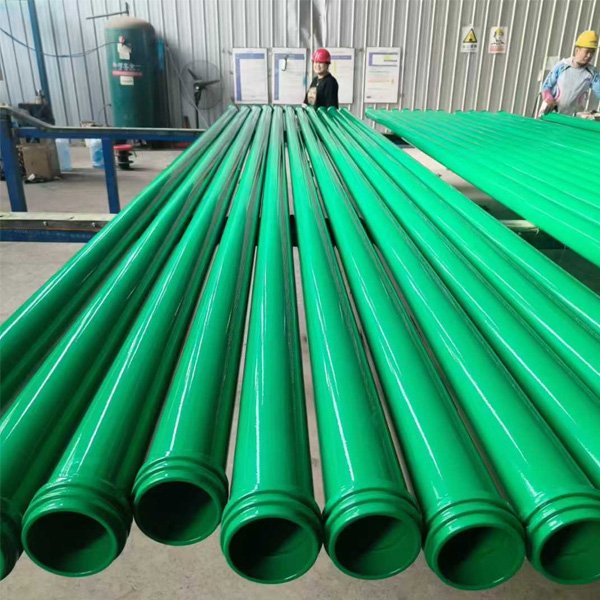
Plastic‑Coated Steel Pipe
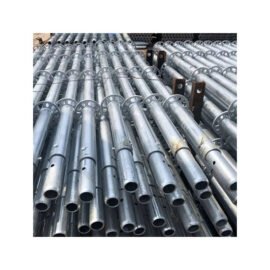
Plastic‑coated steel pipe is a steel‑plastic composite pipe. It adopts seamless, ERW or spiral‑welded steel pipe as base material. Plastic anti‑corrosive layers of epoxy resin (EP) or polyethylene (PE) are fused onto inner surface or both inner‑outer surfaces by electrostatic spraying, dip‑coating or suction‑coating process. It combines high mechanical strength & pressure resistance of steel pipe with corrosion‑resistance, smooth scale‑free inner wall of plastic. Overcomes rust‑scaling defects of bare steel pipe and low‑strength shortage of pure plastic pipe. Widely used for municipal water supply, fire‑fighting, drainage‑sewage, chemical industry and buried industrial fluid transportation.
1. Main Types
1. By coating position
‑Inner‑coated pipe: Anti‑corrosion coating only on inner wall; outer wall galvanized or treated otherwise. ‑Inner‑outer coated pipe: Plastic coating on both inner and outer surfaces; preferred for buried & highly corrosive environment.
2. By coating material
‑Epoxy resin (EP): Strong adhesion, good temperature resistance, food‑grade, for potable‑water & fire‑fighting pipelines; coating thickness 0.2‑0.4 mm. ‑Polyethylene (PE): Excellent impact‑resistance & soil‑corrosion resistance, for buried water‑supply & drainage; coating thickness 0.4‑1.0 mm. ‑TPEP (Inner‑EP Outer‑PE): Combined inner epoxy + outer polyethylene, balances internal‑medium protection and external soil anti‑corrosion; mainstream solution for buried projects.
3. By base pipe
Seamless steel pipe, ERW pipe, spiral‑welded pipe. Size range DN15‑DN2000; working pressure follows base steel pipe, generally ≤1.6 MPa抖音百科.
2. Main Components
Carbon‑steel base pipe (Q235B, 20#, etc.), blast‑cleaned pre‑treatment layer, adhesive transition layer, plastic anti‑corrosive coating. Matching fittings: plastic‑coated elbow, tee, reducer, flange. Connection types: grooved joint, flange, threaded joint, welding (bare pipe section reserved for welding; damaged coating shall be repaired after welding).
3. Key Features
‑ Steel substrate offers high strength, impact resistance and pressure capacity. Plastic coating resists acid‑alkali‑salt corrosion. Smooth inner wall reduces flow resistance, prevents scaling and microbial growth, lowers pumping energy consumption. ‑ Epoxy‑coated grade meets drinking‑water sanitary requirements; PE grade performs well for buried underground service. ‑ Design service life:30‑50 years; holiday‑free coating verified by spark‑test (holiday detector). ‑ Limitations: Do not bend on‑site arbitrarily. Coating damaged by cutting / welding must be repaired. Continuous service temperature: EP ≤60℃, PE ≤65℃.
4. Typical Applications
Municipal potable‑water supply, fire‑fighting water supply, sewage drainage; chemical circulating water, seawater transportation; buried process pipelines; water‑supply‑drainage networks for mines and plants. Process flow: Raw water / process medium → Plastic‑coated steel pipe transportation → End‑user. TPEP composite is preferred for buried networks.
5. Chinese Standards
‑ CJ/T 120‑2016 Plastic‑coated composite steel pipe for water supply ‑ GB/T 28897‑2021 Steel‑plastic composite pipes and fittings for fluid transportation ‑ GB/T 17219 Safety evaluation standard for drinking‑water distribution equipment ‑ Russian reference standard: ГОСТ Р 71930‑2025 General specifications for internally‑lined anti‑corrosion steel pipes
6. Selection Guidance
- Potable‑water & fire‑fighting: prefer EP epoxy coating. Buried soil‑corrosion condition: select TPEP inner‑EP outer‑PE.
- Large‑diameter buried lines: spiral‑welded base pipe. High‑pressure service: seamless base pipe.
- Bare section shall be reserved for welding; coating damaged by welding must be repaired.
- Service‑temperature limit: EP ≤60℃ long‑term, PE ≤65℃ long‑term; not suitable above such limits.
- Always adopt matching plastic‑coated fittings; avoid ordinary bare‑steel fittings to prevent galvanic corrosion.
Reviews
There are no reviews yet.